By SK and PanoramicDon
{This blog post is done as a collabo of two bloggers, SportsKenya and
Panoramicdon and shall appear in the respective blogs. It has been a work in
progress and not in any way a duplication of previous or current posts in other
blogs. Where possible we have attributed the posts that stood out on the same.
We welcome your views and experiences in this and seek your indulgence for the
next few minutes…Enjoy!}
 |
| Image courtesy of sports_betting |
1. Intro, Overview, Legal Framework
Sport betting is a phenomenon
that is quickly gripping Kenya. A university student, matatu tout, young professional, boda boda guy, retiree and watchman are all united in anxiety and
joy or sorrow depending on the outcome of a sporting event for which they
placed a bet on. Some might wonder why it took so long but the multi-billion
dollar sport betting industry is now firmly established in Kenya and steadily
growing.
Unlike a number of African countries,
Kenya has been quite liberal with gambling from independence. The Betting,
Lotteries and Gaming Act was enacted in 1966 and has been the legal framework
governing the industry since then. The Constitution of Kenya (2010) partly
devolved the function of ‘betting, casino and other forms of gambling.’ Both
levels of government were given this mandate but there has been no subsequent
legislation from both houses of Parliament to determine which specific function
will be performed by which level of government.
The Betting Control and Licensing
Board (BCLB) was established by an Act of Parliament Chap 131 Laws of Kenya in
1966. Prior to the Act, the functions of the board were handled by the Kenya
Police Department. The BCLB has been licensing
and regulating betting, casinos and other forms of gambling. The BCLB Act provides for the control and
licensing of betting and gaming premises such as casinos and any other forms of
gambling. It also provides for the authorization of lotteries and prize
competition as well as eradication of illegal gambling. Through these
mechanisms, the Kenyan government has managed to protect and safeguard the
public and third parties from unscrupulous betting operators while also
providing certain mandatory requirements relating to licensing, ticketing, and
submissions of returns, bookmaking and totalizing. Several betting
organisations have also been established.
For a number of years though the
gaming and betting industry had seen its growth falter but has turned around in
the last 5 years making it viable for
employment and revenue generation with renewed dynamic advertising and
stringent State supervision. The Kenyan government continues to play a key role
in the legal administration and regulation/controlling of betting activities in
Kenyan sports.
With the new constitution enacted
in 2010 and 2013 elections which led to the establishment of devolved units of
governance, Governors naturally wanted the application of the devolved function
so as to tap on this potentially lucrative revenue source. There has however been
a conflict of opinion between the Council of Governors and the Betting Control
Board over licensing and regulation of gambling in specific jurisdictions. The
Board argues that there is some security element to gambling hence the reason
why BCLB is domiciled under the Ministry of Interior. The gambling industry has
been known to attract organized criminal groups due to the massive profits of
the industry.
The disagreement between the two
levels of government necessitated the Transition Authority to form an
Inter-Agency Committee as mandated by law to try and find a way out of the
impasse. In the interim, the national government continues license and regulate
lottery and gambling activities in the country through the BCLB. County
governments were given a ‘supervisory role’ and allowed to license business
premises for national lotteries. Counties were also given temporary mandate to
issue pool table permits in their jurisdictions. An inter-agency technical
committee was formed in August 2015 to help resolve this issue and in the
interim the national government will continue in its role to license and
regulate casinos and other forms of gambling with the counties having only a
supervisory role.
Sports Act
Another Law is the Sports Act No. 25 of 2013 It states as follows in Part III -11 of the Act on the Establishment of the National Sports Fund,“Into the Fund all the proceeds of any sports lottery, investments and any other payments required by this Act to be paid into the Fund”It has also mentioned as one of the functions of the Board of Trustees, part III-17
(d) “Raise funds through sports lotteries, investments and any other means and disburse the funds for the development of sports and recreation”(f) “In relation to the national sports lottery, ensure that any lottery carried out for the purposes of the Fund complies with the relevant law”As well as the advisory role of the Trustees to the Cabinet Secretary as noted below;(g) “Advise the Cabinet Secretary on the establishment and implementation of a social responsibility programme in respect of the national sports lottery and any other matter relating to the national sports lottery which the Cabinet Secretary may require advice”
These clauses in the Sports Act
of 2013 give credence to the potent of sports betting and ingrains this to the
National Sport Fund hoping to generate a benevolence of sorts to the country’s
first sports kitty. If fully operationalized, it would help ease the taxpayer’s
burden of funding sports teams during national duty, invest in some sports
causes and hopefully set up some basic sports infrastructure where possible.
 |
| Who wins what, where and when - image courtesy of www.sportspick.info |
2. Popularity of Sports Betting in Kenya
Sport betting has not always been
this popular in Kenya. Aside from horse racing at Ngong’ racecourse, you had to
go to some betting house at Odeon to place a wager on sport events until
recently. The most popular lottery then was the Kenya Charity Sweepstakes
with its out-and-out and extensive network of agents across the country. However
this monopoly was diminished with the growth of the mobile telephony and use of
mobile money payments, which eased the placing and payment of bets.
The popularity of the English
Premier League, a growing middle class with disposable income and a favorable
legal framework meant the necessary conditions were in place for the growth of
sports betting in the country. In about a decade, mobile phones got to every
corner of the country with it - mobile money and easier access to the Internet.
Betting firms now have the means to reach all corners of the country.
What was once a potentially
lucrative industry with limited reach, can now be accessed by any Kenyan with a
mobile device. Everyone now wants a piece of the pie. Sport betting companies
have been quickly setting up in the country under a blitz of publicity. They
have done their homework and know that of the ‘exposure effect’ where people
are more likely to gamble if exposed to some form of gambling.
3 . Brief Review of the top 4 Betting Companies in Kenya
Having seen the sports betting
space grow by leaps and bounds in the last 3 years, we shall profile the main
players in this space.
Besides
sponsoring the local league, it has also exploited the love of Kenyan football
fans of the English Premier League to appeal to all and sundry. It also allows
betting on UEFA Champions League and Europa League too. Predictions on other
European Leagues are also permitted as are basketball, tennis and rugby league
games.
The well-oiled
machine has been able to bring on board all major mobile telcos and media
houses to help it push across a wide discerning public. It also has the major
media houses to count as its partners. The company’s marketing and PR have also
been on a major blitz for some time now with concerts (such as the SportPesa
Festival) and other forms such as outdoor publicity giving it top-of-mind
presence over other sports betting platforms. It has used some of the well-known
local music artistes such as Wyre to push their brand to the youthful populace.
It runs a news site www.sportpesanews.com
aggregating football news from across major leagues of the world. Its site www.sportpesa.com was ranked among the top
10 most visited websites in Kenya year ending December 2015.
Check their
tweets via Twitter handle @SportPesa
b) Betway Kenya – operating under Jambo Marketing Limited, the sports betting platform is more famous across the seas being a principal sponsor of EPL team West Ham United. The ‘Betway’ brand is managed globally by Maltese and Guernsey-based Betway Limited. It is the leading sports betting platform in the UK and is hoping to leverage on the English connection to reap big in Kenya. It officially launched in Kenya in July 2015 after issuance of the BCLB license.
b) Betway Kenya – operating under Jambo Marketing Limited, the sports betting platform is more famous across the seas being a principal sponsor of EPL team West Ham United. The ‘Betway’ brand is managed globally by Maltese and Guernsey-based Betway Limited. It is the leading sports betting platform in the UK and is hoping to leverage on the English connection to reap big in Kenya. It officially launched in Kenya in July 2015 after issuance of the BCLB license.
Among the other
betting platforms, it would boost of some worthy international appeal having
cut its teeth in the UK and other European markets. It boosts of major
sponsorship deals including the West Ham United, Premier League of Darts (UK)
–one of the biggest sport there, snooker, tennis and horse-racing.
In August 2015,
it courted controversy after it emerged that majority
ownership is held by British and South African nationals as well as breaching
its license by using mobile phone platforms, after implying it would be an
online gaming one. This may have led to its cautious approach to the local
scene. It is yet to make as much traction in Kenya but we can only guess it
will be in this for the long haul once it is able to master the mobile phone
and offer a distinguishing feature and service to the other sports betting
platforms.
You can follow their updates on Twitter using
@Betway_KE
c) Betin Kenya – this platform is managed by GamCode company incorporated in Kenya and with links to GoldBet Group, one of the largest betting and gaming operators in Africa and Europe. It has online operations in Europe and is said to be the largest operator in Italy with over 1,000 retail shops. Besides Kenya, it also operates in in Nigeria under the brand name “Bet9ja” which has over 3000 shops in the expansive West African country. It also operates in Uganda as Betin Uganda for sports betting for both online and offline sports products, having acquired the national lottery license to exclusively operate the ‘Play Lotto’ brand.
c) Betin Kenya – this platform is managed by GamCode company incorporated in Kenya and with links to GoldBet Group, one of the largest betting and gaming operators in Africa and Europe. It has online operations in Europe and is said to be the largest operator in Italy with over 1,000 retail shops. Besides Kenya, it also operates in in Nigeria under the brand name “Bet9ja” which has over 3000 shops in the expansive West African country. It also operates in Uganda as Betin Uganda for sports betting for both online and offline sports products, having acquired the national lottery license to exclusively operate the ‘Play Lotto’ brand.
Plans are
underway in Kenya to roll out the setting up of retail shops across the
country. This betting platform specializes on online betting but also uses
mobile devices. Its main distinction is the multiplicity of sporting
disciplines to bet on including football, basketball, tennis, hockey, athletics,
horse racing and even dog racing. It also incorporates an online casino and
virtual sports betting (the latter being same as other sports betting
platforms).
Though not
explicitly stated, it may have links to the Curacao-based Betin.com. For their
tweets, check out the Twitter handle @BetinKenya
d) BetYetu – is a platform run by Oxygen 8 East
Africa. It also has Standard Group as one of its main partners. However the
site has been having capacity challenges of late, making access difficult when
users decide to log on to place their bets. Their focus is mainly on football,
basketball and tennis. Along with one other sports betting platform, they seek
to address responsible gambling.
You can follow
their tweets at @BetYetu
e) mCheza – this is the latest entrant into the Kenyan sports betting act. Represented by one Peter Kirimi, the company launched with razzmatazz in December 2015. The holding company is Acumen Communications Limited with the global partner being Greek-based Intralot, through its sports betting management arm. Among its directors is former media personality Julie Gichuru.
e) mCheza – this is the latest entrant into the Kenyan sports betting act. Represented by one Peter Kirimi, the company launched with razzmatazz in December 2015. The holding company is Acumen Communications Limited with the global partner being Greek-based Intralot, through its sports betting management arm. Among its directors is former media personality Julie Gichuru.
Given its being
the most recent of the sports betting companies, it has managed to build some
buzz around its brand. It has also enlisted some leading media personalities
and uses their tweets on the mCheza brand to reach Kenyan social media users. It
also sponsored the Sports Personality of the Year Awards –SOYA to the tune of
KES 3 million to show its willingness to play in this space. It has a war-chest
of about KES 1.5 billion to grow its fledging business in Kenya. There are a
number of sports disciplines which one can bet on including; football,
basketball, baseball, American football, boxing, cricket, rugby, motorsport and
golf.
You can follow
their tweets @mCheza
Other leading
sports betting platforms worth mentioning include;
-
EliteBet
Kenya ;
-
JustBet;
-
Lucky2U and
Another blogger, Bankelele had
profiled the sector in a 2-part series of Sports
Betting Coming of Age in Kenya Part 1 and Part
2 for more details on how to play and participate in the respective sports
betting platforms.
4. Problems of Gambling and Sports Betting
Betting is not universally legal
due to negative effects that it may have on individuals and the society. Top of
the list of problems is addiction where some become compulsive gamblers. Sport
betting is considered a skill-based form of gambling as opposed to a pure game
of chance. Punters place bets with their choices advised by accumulated
knowledge of a sport. While this is true to some extent, the element of luck is
very much present with bets placed on such niche categories like number of
corners and goals scored after a certain minute, among others.
While majority of gamblers will
indulge without getting hooked, a small number will suffer from the worst of
gambling addiction. Problem gamblers become so engulfed in gambling that they
basically cease to exist as socially-functional human beings. Cases of debt,
financial ruin, theft, job losses, ruined relationships and even suicide have
been reported among compulsive gamblers who must indulge regardless of harm
done to self or loved ones. The former Arsenal and Scottish striker John
Hartson was a high profile case of addictive sport gambling and he considered
his fight against gambling bigger than his cancer fight.
The question for Kenya therefore
is how do we identify problem gamblers and what measures will be put in place
to cater to them as sport betting grows exponentially. In other civilizations,
part of the revenue from gambling is used to fund social facilities that offer
help to problem gamblers. Victims of gambling addiction have been known to
recover with treatment.
The threat of the gambling
industry being infiltrated by organized criminal groups is also a problem to
contend with. The American mafia
helped transformed Las Vegas from an unfavorable desert town to the Mecca of
gambling after seeing the lucrative nature of the industry in Batista’s Cuba. The
mafia would bribe law enforcement and
judicial officials and made huge amounts from the industry. For decades, the
mob ran the gambling industry in the famous desert city but were eventually
chased out of town in the 1980’s.
In modern times, organized crime
has continued to reap from sport betting. In wanting to control the outcome of
games and therefore maximize on revenues, criminals have been known to bribe or
coerce players to commit certain actions on the field during play. Match fixing
is a big problem that has affected most professional sports. Interpol has been
going after these shadowy rings that transcend international borders with mixed
results. How Kenya will address such challenges if they manifest themselves in
the years to come will be something to watch out for.
5. Betting in Africa and rest of the World
Going further afield in Africa,
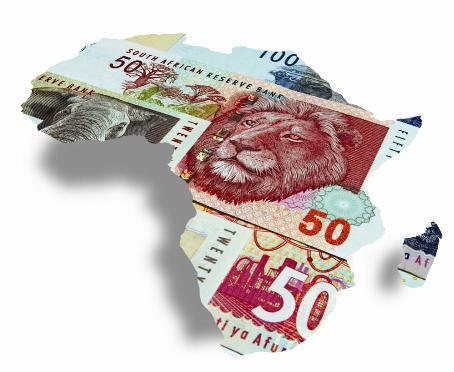
sports betting is biggest in South Africa where the country’s
multi-disciplinary acts in rugby, cricket, football, and athletics makes it a sports
punt’s playfield. A PwC report on Gambling Outlook released in 2014 shows that
sports betting accounts for about 13% of the gambling revenues. It includes
book-making and pari-mutuel wagering on horse racing and other sports events.
Online wagering for sports is also allowed, being the only form of online
gambling permissible in South Africa. The revenues of sports betting were estimated
to be in the region of 3.9 billion rand last year and projected to grow to 4.05
billion rand in 2016.
 |
| Africa's winning - image courtesy of www.africanleadership.co.uk |
The growth of sports betting in
South Africa got a boost from the country hosting major tournaments including
the most recent 2010 FIFA World Cup. The country’s participation too in major
sporting events in cricket and rugby world cups have helped keep sustained
growth over the same period. A mature horse racing segment has also aided
expand sports betting.
In West Africa, Nigeria is the
most attractive market with its expansive economy and the growing middle class.
Sports betting started in earnest in 2007 with the success of the local Nigeria
football league. Due to infrastructural challenges, sports betting is still
largely offline but fast moving too to the mobile platform. This is
supplemented too with the expected growth of online betting as the Nigerian
Communications Commission predicts at least over 50 million of its citizenry
accessing the Internet.
The Nigerian government has also
made the entry fee fairly prohibitive fee of US$ 5,000 for a gambling license.
However the use of mobile telcos has made it a potential sector for growth as
seen by the number of local and international sports betting companies set up
in the last 5 years. These include Stakersden Soccer Jackpot
working in partnership with mobile telco Etisalat, NairaBet and Bet9ja.
Indeed Africa remains an
attractive haven for sports betting and gaming with 3 conferences planned this
year alone on the same, starting with
- Sports Betting North Africa – 27th – 29th January 2016 in Marrakesh, Morocco;
- Sports Betting East Africa – 16th- 18th May , Nairobi, Kenya;
- Sports Betting West Africa – 18th- 20th July , Accra, Ghana;
- Big Africa Summit – 24th – 26th October, Cape Town, South Africa.
To name but a few.
6. Future of Sports Betting
Indeed sports betting is here to
stay in most of the African countries including Kenya. With the sports industry
enjoying a modest growth both at local and continental level as well as the
availability of mobile and online technologies to leverage global best
practices, the trend can only be upwards. There have been fears of alleged
criminal links with online sports betting being used for money laundering in
other parts of the world, thus African countries will be targets too. The same
would go for online fraud as most of the online and mobile platforms are not as
secure as would need be.
There are also fears created by
the blitz of advertising to the adult population which then makes it attractive
to a younger audience. This becomes tricky since there are large number of
people under eighteen are being given access to mobile devices by their
parents, guardians and friends. It would be interesting what the advertising
and marketing regulatory bodies would say to this.
Match-fixing and similar
allegations have been made to many an African sports disciplines, all in the
name of helping game-fixers win a larger purse. These actions would impact
local leagues and games and as such relevant bodies need exercise vigilance to
check against match and game-fixing.
On the positive note, the
expansion of sports betting has offered opportunities for mobile money, virtual
currencies such as bitcoins among tech developers making it attractive for them
to develop sturdy solutions.
Sports betting has also seen job
creation through the different channels that the sports betting have sought to
spread their products. Beyond the agents and corner shops, one can become an
agent just by the mere ownership of a mobile device. This is also an
opportunity for sports punters and analysts to reap on helping and placing bets
for themselves and their friends, remember Nate Silver?
Sports betting has also given
marketing and ad companies opportunities to appeal to the widest of masses as
they seek to grow this. Kenya is one example where in the space of 3 years,
over 5 sports betting companies have launched and consistently engaged in such
services.
On a broader perspective, the
contributions from sports lotteries to the national sports fund kitties will
help develop sports both a local and national level. It will seek to legalize
and mainstream what would otherwise be illegal activities escaping State
scrutiny. Kenya and South Africa vibrancy in the same represents a way forward
into attracting and growing sports betting. This being another big sporting
year, we can only wait to see what opportunities will come and the next
milestone in sports betting.


