Tuesday, 19 January 2016

Sports Betting Landscape in Kenya

By SK and PanoramicDon


{This blog post is done as a collabo of two bloggers, SportsKenya and Panoramicdon and shall appear in the respective blogs. It has been a work in progress and not in any way a duplication of previous or current posts in other blogs. Where possible we have attributed the posts that stood out on the same. We welcome your views and experiences in this and seek your indulgence for the next few minutes…Enjoy!}

Image courtesy of sports_betting

1.       Intro, Overview, Legal Framework

Sport betting is a phenomenon that is quickly gripping Kenya. A university student, matatu tout, young professional, boda boda guy, retiree and watchman are all united in anxiety and joy or sorrow depending on the outcome of a sporting event for which they placed a bet on. Some might wonder why it took so long but the multi-billion dollar sport betting industry is now firmly established in Kenya and steadily growing.

Unlike a number of African countries, Kenya has been quite liberal with gambling from independence. The Betting, Lotteries and Gaming Act was enacted in 1966 and has been the legal framework governing the industry since then. The Constitution of Kenya (2010) partly devolved the function of ‘betting, casino and other forms of gambling.’ Both levels of government were given this mandate but there has been no subsequent legislation from both houses of Parliament to determine which specific function will be performed by which level of government.

The Betting Control and Licensing Board (BCLB) was established by an Act of Parliament Chap 131 Laws of Kenya in 1966. Prior to the Act, the functions of the board were handled by the Kenya Police Department. The BCLB has been licensing and regulating betting, casinos and other forms of gambling.  The BCLB Act provides for the control and licensing of betting and gaming premises such as casinos and any other forms of gambling. It also provides for the authorization of lotteries and prize competition as well as eradication of illegal gambling. Through these mechanisms, the Kenyan government has managed to protect and safeguard the public and third parties from unscrupulous betting operators while also providing certain mandatory requirements relating to licensing, ticketing, and submissions of returns, bookmaking and totalizing. Several betting organisations have also been established.

For a number of years though the gaming and betting industry had seen its growth falter but has turned around in the last 5 years making it viable  for employment and revenue generation with renewed dynamic advertising and stringent State supervision. The Kenyan government continues to play a key role in the legal administration and regulation/controlling of betting activities in Kenyan sports.

With the new constitution enacted in 2010 and 2013 elections which led to the establishment of devolved units of governance, Governors naturally wanted the application of the devolved function so as to tap on this potentially lucrative revenue source. There has however been a conflict of opinion between the Council of Governors and the Betting Control Board over licensing and regulation of gambling in specific jurisdictions. The Board argues that there is some security element to gambling hence the reason why BCLB is domiciled under the Ministry of Interior. The gambling industry has been known to attract organized criminal groups due to the massive profits of the industry.

The disagreement between the two levels of government necessitated the Transition Authority to form an Inter-Agency Committee as mandated by law to try and find a way out of the impasse. In the interim, the national government continues license and regulate lottery and gambling activities in the country through the BCLB. County governments were given a ‘supervisory role’ and allowed to license business premises for national lotteries. Counties were also given temporary mandate to issue pool table permits in their jurisdictions. An inter-agency technical committee was formed in August 2015 to help resolve this issue and in the interim the national government will continue in its role to license and regulate casinos and other forms of gambling with the counties having only a supervisory role.
Sports Act
Another Law is the Sports Act No. 25 of 2013 It states as follows in Part III -11 of the Act on the Establishment of the National Sports Fund,Into the Fund all the proceeds of any sports lottery, investments and any other payments required by this Act to be paid into the FundIt has also mentioned as one of the functions of the Board of Trustees, part III-17
(d) “Raise funds through sports lotteries, investments and any other means and disburse the funds for the development of sports and recreation(f) “In relation to the national sports lottery, ensure that any lottery carried out for the purposes of the Fund complies with the relevant lawAs well as the advisory role of the Trustees to the Cabinet Secretary as noted below;(g) “Advise the Cabinet Secretary on the establishment and implementation of a social responsibility programme in respect of the national sports lottery and any other matter relating to the national sports lottery which the Cabinet Secretary may require advice

These clauses in the Sports Act of 2013 give credence to the potent of sports betting and ingrains this to the National Sport Fund hoping to generate a benevolence of sorts to the country’s first sports kitty. If fully operationalized, it would help ease the taxpayer’s burden of funding sports teams during national duty, invest in some sports causes and hopefully set up some basic sports infrastructure where possible.
Who wins what, where and when - image courtesy of www.sportspick.info

2.       Popularity of Sports Betting in Kenya
Sport betting has not always been this popular in Kenya. Aside from horse racing at Ngong’ racecourse, you had to go to some betting house at Odeon to place a wager on sport events until recently. The most popular lottery then was the Kenya Charity Sweepstakes with its out-and-out and extensive network of agents across the country. However this monopoly was diminished with the growth of the mobile telephony and use of mobile money payments, which eased the placing and payment of bets.

The popularity of the English Premier League, a growing middle class with disposable income and a favorable legal framework meant the necessary conditions were in place for the growth of sports betting in the country. In about a decade, mobile phones got to every corner of the country with it - mobile money and easier access to the Internet. Betting firms now have the means to reach all corners of the country.

What was once a potentially lucrative industry with limited reach, can now be accessed by any Kenyan with a mobile device. Everyone now wants a piece of the pie. Sport betting companies have been quickly setting up in the country under a blitz of publicity. They have done their homework and know that of the ‘exposure effect’ where people are more likely to gamble if exposed to some form of gambling. 

3 .       Brief Review of the top 4 Betting Companies in Kenya
Having seen the sports betting space grow by leaps and bounds in the last 3 years, we shall profile the main players in this space.

a) SportPesa -This is the current undisputed ‘king’ of sports betting in Kenya, appropriately named SportPesa (maybe to ride the mPesa wave…???...), has over 1,000,000 registered users, with over half those users being active monthly users. The holding company is the Pevan East Africa Limited, having launched in Kenya in 2013. This platform has managed to demystify sports betting by taking advantage of mobile phone payments among a range of channels to reach the widest and most remote audiences in the country. The company has leveraged its position by making major sponsorships of the Kenya footballing league (Kenya Premier League renaming it to ‘SportPesa Premier League or The SPL’) and the Super 8 tournament to its stable. The company’s CEO is one Captain Ronald Karauri (son of former Kenya Football Federation honcho Matthew Adams Karauri, fruit doesn’t fall far from the tree…). 

Besides sponsoring the local league, it has also exploited the love of Kenyan football fans of the English Premier League to appeal to all and sundry. It also allows betting on UEFA Champions League and Europa League too. Predictions on other European Leagues are also permitted as are basketball, tennis and rugby league games.

The well-oiled machine has been able to bring on board all major mobile telcos and media houses to help it push across a wide discerning public. It also has the major media houses to count as its partners. The company’s marketing and PR have also been on a major blitz for some time now with concerts (such as the SportPesa Festival) and other forms such as outdoor publicity giving it top-of-mind presence over other sports betting platforms. It has used some of the well-known local music artistes such as Wyre to push their brand to the youthful populace. It runs a news site www.sportpesanews.com aggregating football news from across major leagues of the world. Its site www.sportpesa.com was ranked among the top 10 most visited websites in Kenya year ending December 2015.
Check their tweets via Twitter handle @SportPesa

b)  Betway Kenya – operating under Jambo Marketing Limited, the sports betting platform is more famous across the seas being a principal sponsor of EPL team West Ham United.  The ‘Betway’ brand is managed globally by Maltese and Guernsey-based Betway Limited. It is the leading sports betting platform in the UK and is hoping to leverage on the English connection to reap big in Kenya. It officially launched in Kenya in July 2015 after issuance of the BCLB license.
Among the other betting platforms, it would boost of some worthy international appeal having cut its teeth in the UK and other European markets. It boosts of major sponsorship deals including the West Ham United, Premier League of Darts (UK) –one of the biggest sport there, snooker, tennis and horse-racing.
In August 2015, it courted controversy after it emerged that majority ownership is held by British and South African nationals as well as breaching its license by using mobile phone platforms, after implying it would be an online gaming one. This may have led to its cautious approach to the local scene. It is yet to make as much traction in Kenya but we can only guess it will be in this for the long haul once it is able to master the mobile phone and offer a distinguishing feature and service to the other sports betting platforms.
You can follow their updates on Twitter using @Betway_KE

c)   Betin Kenya – this platform is managed by GamCode company incorporated in Kenya and with links to GoldBet Group, one of the largest betting and gaming operators in Africa and Europe. It has online operations in Europe and is said to be the largest operator in Italy with over 1,000 retail shops.  Besides Kenya, it also operates in in Nigeria under the brand name “Bet9ja” which has over 3000 shops in the expansive West African country. It also operates in Uganda as Betin Uganda for sports betting for both online and offline sports products, having acquired the national lottery license to exclusively operate the ‘Play Lotto’ brand.
Plans are underway in Kenya to roll out the setting up of retail shops across the country. This betting platform specializes on online betting but also uses mobile devices. Its main distinction is the multiplicity of sporting disciplines to bet on including football, basketball, tennis, hockey, athletics, horse racing and even dog racing. It also incorporates an online casino and virtual sports betting (the latter being same as other sports betting platforms).  
Though not explicitly stated, it may have links to the Curacao-based Betin.com. For their tweets, check out the Twitter handle @BetinKenya

d)  BetYetu – is a platform run by Oxygen 8 East Africa. It also has Standard Group as one of its main partners. However the site has been having capacity challenges of late, making access difficult when users decide to log on to place their bets. Their focus is mainly on football, basketball and tennis. Along with one other sports betting platform, they seek to address responsible gambling.
You can follow their tweets at @BetYetu

e)   mCheza – this is the latest entrant into the Kenyan sports betting act. Represented by one Peter Kirimi, the company launched with razzmatazz in December 2015. The holding company is Acumen Communications Limited with the global partner being Greek-based Intralot, through its sports betting management arm. Among its directors is former media personality Julie Gichuru.
Given its being the most recent of the sports betting companies, it has managed to build some buzz around its brand. It has also enlisted some leading media personalities and uses their tweets on the mCheza brand to reach Kenyan social media users. It also sponsored the Sports Personality of the Year Awards –SOYA to the tune of KES 3 million to show its willingness to play in this space. It has a war-chest of about KES 1.5 billion to grow its fledging business in Kenya. There are a number of sports disciplines which one can bet on including; football, basketball, baseball, American football, boxing, cricket, rugby, motorsport and golf.
You can follow their tweets @mCheza

Other leading sports betting platforms worth mentioning include;
-          EliteBet Kenya ;
-          JustBet;
-          Lucky2U and
-          Kenya Sports Bet
Another blogger, Bankelele had profiled the sector in a 2-part series of Sports Betting Coming of Age in Kenya Part 1 and Part 2 for more details on how to play and participate in the respective sports betting platforms.

4.        Problems of Gambling and Sports Betting


Betting is not universally legal due to negative effects that it may have on individuals and the society. Top of the list of problems is addiction where some become compulsive gamblers. Sport betting is considered a skill-based form of gambling as opposed to a pure game of chance. Punters place bets with their choices advised by accumulated knowledge of a sport. While this is true to some extent, the element of luck is very much present with bets placed on such niche categories like number of corners and goals scored after a certain minute, among others.

While majority of gamblers will indulge without getting hooked, a small number will suffer from the worst of gambling addiction. Problem gamblers become so engulfed in gambling that they basically cease to exist as socially-functional human beings. Cases of debt, financial ruin, theft, job losses, ruined relationships and even suicide have been reported among compulsive gamblers who must indulge regardless of harm done to self or loved ones. The former Arsenal and Scottish striker John Hartson was a high profile case of addictive sport gambling and he considered his fight against gambling bigger than his cancer fight.

The question for Kenya therefore is how do we identify problem gamblers and what measures will be put in place to cater to them as sport betting grows exponentially. In other civilizations, part of the revenue from gambling is used to fund social facilities that offer help to problem gamblers. Victims of gambling addiction have been known to recover with treatment.

The threat of the gambling industry being infiltrated by organized criminal groups is also a problem to contend with. The American mafia helped transformed Las Vegas from an unfavorable desert town to the Mecca of gambling after seeing the lucrative nature of the industry in Batista’s Cuba. The mafia would bribe law enforcement and judicial officials and made huge amounts from the industry. For decades, the mob ran the gambling industry in the famous desert city but were eventually chased out of town in the 1980’s.

In modern times, organized crime has continued to reap from sport betting. In wanting to control the outcome of games and therefore maximize on revenues, criminals have been known to bribe or coerce players to commit certain actions on the field during play. Match fixing is a big problem that has affected most professional sports. Interpol has been going after these shadowy rings that transcend international borders with mixed results. How Kenya will address such challenges if they manifest themselves in the years to come will be something to watch out for.

5.       Betting in Africa and rest of the World

Going further afield in Africa, sports betting is biggest in South Africa where the country’s multi-disciplinary acts in rugby, cricket, football, and athletics makes it a sports punt’s playfield. A PwC report on Gambling Outlook released in 2014 shows that sports betting accounts for about 13% of the gambling revenues. It includes book-making and pari-mutuel wagering on horse racing and other sports events. Online wagering for sports is also allowed, being the only form of online gambling permissible in South Africa. The revenues of sports betting were estimated to be in the region of 3.9 billion rand last year and projected to grow to 4.05 billion rand in 2016.
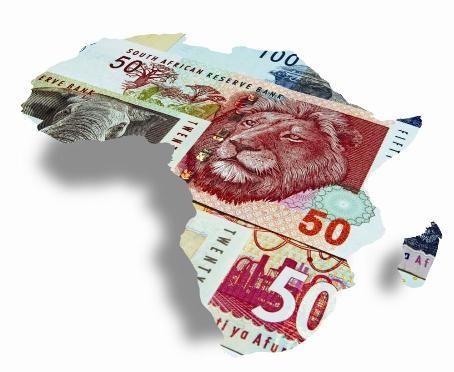
Africa's winning - image courtesy of www.africanleadership.co.uk


The growth of sports betting in South Africa got a boost from the country hosting major tournaments including the most recent 2010 FIFA World Cup. The country’s participation too in major sporting events in cricket and rugby world cups have helped keep sustained growth over the same period. A mature horse racing segment has also aided expand sports betting.
In West Africa, Nigeria is the most attractive market with its expansive economy and the growing middle class. Sports betting started in earnest in 2007 with the success of the local Nigeria football league. Due to infrastructural challenges, sports betting is still largely offline but fast moving too to the mobile platform. This is supplemented too with the expected growth of online betting as the Nigerian Communications Commission predicts at least over 50 million of its citizenry accessing the Internet.
The Nigerian government has also made the entry fee fairly prohibitive fee of US$ 5,000 for a gambling license. However the use of mobile telcos has made it a potential sector for growth as seen by the number of local and international sports betting companies set up in the last 5 years. These include Stakersden Soccer Jackpot working in partnership with mobile telco Etisalat, NairaBet and Bet9ja.
Indeed Africa remains an attractive haven for sports betting and gaming with 3 conferences planned this year alone on the same, starting with
To name but a few.

6.       Future of Sports Betting

Indeed sports betting is here to stay in most of the African countries including Kenya. With the sports industry enjoying a modest growth both at local and continental level as well as the availability of mobile and online technologies to leverage global best practices, the trend can only be upwards. There have been fears of alleged criminal links with online sports betting being used for money laundering in other parts of the world, thus African countries will be targets too. The same would go for online fraud as most of the online and mobile platforms are not as secure as would need be.
There are also fears created by the blitz of advertising to the adult population which then makes it attractive to a younger audience. This becomes tricky since there are large number of people under eighteen are being given access to mobile devices by their parents, guardians and friends. It would be interesting what the advertising and marketing regulatory bodies would say to this.
Match-fixing and similar allegations have been made to many an African sports disciplines, all in the name of helping game-fixers win a larger purse. These actions would impact local leagues and games and as such relevant bodies need exercise vigilance to check against match and game-fixing.
On the positive note, the expansion of sports betting has offered opportunities for mobile money, virtual currencies such as bitcoins among tech developers making it attractive for them to develop sturdy solutions. 
Sports betting has also seen job creation through the different channels that the sports betting have sought to spread their products. Beyond the agents and corner shops, one can become an agent just by the mere ownership of a mobile device. This is also an opportunity for sports punters and analysts to reap on helping and placing bets for themselves and their friends, remember Nate Silver?
Sports betting has also given marketing and ad companies opportunities to appeal to the widest of masses as they seek to grow this. Kenya is one example where in the space of 3 years, over 5 sports betting companies have launched and consistently engaged in such services.
On a broader perspective, the contributions from sports lotteries to the national sports fund kitties will help develop sports both a local and national level. It will seek to legalize and mainstream what would otherwise be illegal activities escaping State scrutiny. Kenya and South Africa vibrancy in the same represents a way forward into attracting and growing sports betting. This being another big sporting year, we can only wait to see what opportunities will come and the next milestone in sports betting.


Monday, 4 August 2014

Commonwealth Games - Glasgow : Kenya's Gold, Bleed and Ugly

2014 and it is exactly 60 years since a Kenyan sports personality made it to any international sporting event! And this event was the Commonwealth Games in 1954 ( had previously been known as British Empire Games).
Glasgow 2014 - image courtesy of glasgow.com
With such rich heritage and a storied past, the 2014 edition ought to have been a done deal for Kenyan sport but alas! It is another skewed performance from a contingent of 169 athletes and officials. A misnomer of the Commonwealth Games is that fierce competitors, Ethiopia and other North African countries do not participate.
But even without these countries, Glasgow exposed the scope of Kenya's famed athletes. Out of the 13 disciplines, only 3 managed to get to the podium.

Stand-Outs: 
  1. Julius Yego – Javelin Gold standard – first ever field event Gold medal in major c’ships. Even without proper training facilities and technical support he keeps getting better;
Julius Yego - Golden Throw - www.getty.com
2. Eunice Sum – 800m – she's the reigning world champ and she turned up for the another sterling performance;3. Caleb Ndiku – 5000m – coming of age, he was named 2010 SOYA most promising athlete and showed why. Exit Ezekiel Kemboi too we have another performer...
Disappointments:
David Rudisha – 800m Silver - World/Olympic champ & WR holder, we expected nothing short of Gold, even with a poor season so far;
Jason Dunford – Swimming - he finally admitted frustrations/lack of Kenya's Swimming Federation support ( and no officials are sacked..???);
Kenya 7s team – after finishing 2nd in the table standings in the preliminaries, they met their match in New Zealand who ended our first rugby Commonwealth medal chances
Special Mentions:
  1. Conrad Nkanata – US-based sprinter – finished 3rd in his 200m heat, with proper training he can be a future sprinter;
  2. Benson Gicharu – Boxer – even with time running out for his amateur boxing career, he is still punching it out at major sports events

Kenya Sports (Mis)management:
The charade of Kenyan officials in managing the team continued. First it was delayed allowances due to athletes. Second was the kit issue with missing or delayed kit to Team Kenya.  Third was late accreditation which meant missed attendance by cyclist, David Kinjah among others. Fourth and it’s truly out of personal frustration was lack of technical/financial support as well as favouritism in team selection. These last were raised not just by non-traditional disciplines but also swimmers such as Jason Dunford who may have had his swansong representing the country in any sport.

Golden Girls - 3000m s'chase Kenyan trio
We have said this before and shall repeat it for the umpteenth time. Kenya’s sport management needs to change RADICALLY! Why have more than 10 disciplines and only 2-3 have any chance of winning medals? Can more investment be made on a few of these or if all disciplines are represented, get proper exposure to have winning chance(s).
  •    Kitting – what business goes on with kit which has been acquired for national duty? Why should some official conveniently forget to order this in time? Other times they issue it to non-participants or stock it in local shops. Sponsors should also review such misdemeanor and cancel contracts for misallocated kits.
  •    Allowances – we saw the embarrassment of African teams in World Cup. It did not even take a month before our own officials replicated that same template. Why should individual be charged with responsibility of managing team finances? In future all participants should supply account details and monies sent direct to them like regular pay.
  •    Size of squad – how many officials are really needed to attend international events even when their disciplines have no chance of winning a bronze medal? Participation should be on how successful a sport is at regional, continental or international duty.
  •    Technical/Financial details – for most disciplines Kenya has lost a semblance of international standards. From boxing, swimming to even some athletics events, the edge of advances in technical knowledge is lacking. Spotlight is on sports federations’ internal wrangles and lack of international best practice to compete at such levels.
As usual we shall be treated to excuses and made to forget what has become perennial under-achieving by our national team(s). As a nation,we need to demand accountability from those in charge of our sports bodies. The Government must also stop playing deaf and be more forceful in getting officials to straighten their act. 
It is no wonder that most athletes prefer running in Grand Prix events, others opting to quit even before their prime as a frustrated lot. See what is happening to the football fraternity? 

Wednesday, 28 May 2014

Sports Law Pioneer @SnoLegal talks to SportsKenya

Sometime last year, we at SportsKenya were part of a team that engaged in a campaign to get one of the pioneering ladies in Sports Law in Kenya for her studies in Spain. The campaign adopted both online and offline strategies which ran in tandem.
Sarah Ochwada @SnoLegal - Strike a Pose
We have the 
priviledge of bringing you Sarah Ochwada - also known as SnoLegal ( on Twitter @SnoLegal). She also does this blog here. We caught up with her on her exploits in Spain and this is what she had to say;

Q1) Hola SnoLegal! For the sake of our readers, kindly remind us what course you are doing, the institution and duration. 

Hola! I am studying International Sports Law at ISDE which is the acronym for... Wait for it... Instituto Superior de Derecho y Economia...that's Spanish by the way. Although my course is entirely in English. I am learning Spanish, though...but I digress...I shall be having theory lessons until June and then have my internship in Switzerland from July to December. It is a 1-year intensive course.

Q2) From your interaction thus far with sports experts from the rest of the world, what would you say their take is of the Kenyan & African sports scene at large?

Wow! What a question!  Some foreigners actually know a whole lot about African sports, and I'm not just talking about my lecturers but my classmates as well. For instance one of the Spanish guys in my class, Luis ( hello there if you're reading this) was talking to me about East African runners and he named them, knew the statistics from Kenya an Ethiopia dating back years! 
Another one of my classmates from Australia, Tiran (Oy mate!) knew about the Tikolo brothers from the Kenyan cricket team and just some crazy statistics about Kenyan cricketers... I mean it's really impressive how much people outside Africa know about sports in Africa and the athletes.
I also recall having a conversation with one of my lecturers about Kenyan rugby and another about the transfer of Kenyan players to European leagues... I guess there is a lot of interest in sports on our continent because of the talent on the continent which is exposed to the world stage through international competitions. And I think this interest will persist in years to come.

Q3)What is your take on Sports Management in Kenya and the need for Sports Laws?

In the last year or so that I spent in Kenya before coming to Madrid there was a positive change in terms of sports people and federations. Other stakeholders are also making an effort to improve their sports and consequently livelihoods of those involved. 
Management I think is the largest area that needs to be considered since you not only manage events but teams and individuals within the sports realm. And there are so many aspects to management too; finances, public relations, you name it.
What is lacking is tailor-made management for each discipline, each athlete, each federation. A blanket system may not work particularly for Kenya because of the numerous and varying needs of the.different players involved.Understanding each unique set of needs independently will be of great importance. 
As far as Sports Law is concerned, the need is even greater. General practitioners of law may not fully comprehend or appreciate the different facets of sports - from governance to contracts and any problem that may arise from there. 
We are moving into a time where talent pays, and sport is no longer a hobby but a livelihood. And with all livelihoods those in the sports fraternity require experts who will understand deeply their issues and offer sound advice & guidance to avoid disputes or mitigate harm down the line.

Q4 a) With the new Sports Bill in place, there are quite a number of legal hurdles that sports associations and bodies have to go through. Which 3 stick out for you?

Minor correction... Sports Act, not Bill. Once a Bill is passed by parliament it becomes an Act. (SK:..oops our bad, Ms learned friend...)

  • Registration of Sports entities with the Sports Registrar. There surely will be a lot of confusion and misinformation when it comes to this point... Wait and see. But in a nutshell, all sports entities registered under the Societies Act will have to transition and be registered under the office of the Sports Registrar. (SK:...Note that football clubs crying foul about being targeted? )
  • Disputes regarding registration and non registration. These will probably be the first few cases to be dealt with by the new Sports Tribunal. But I bet even the understanding of how to bring matters to this tribunal will be a major issue, not just for federations and sports persons but for their legal representatives too.
  • The Sports Fund... How will it be run? How will federations receive money from this fund? This will be cause for some contention I believe.
But that being said, I look forward to the debates that will rise from these issues because they will help our sports mature. Bring it on!

Q4 b) Which 3 legal issues do you feel have been left out of the Sports Bill?

Oh my gosh! Now that I have had the opportunity to learn about things... One thing which struck me is, so these federations will be registered afresh, does that mean that they remain as societies or will we have to give them some sort of new name to distinguish them from other legal entities.
The other legal issues I have pondered about, I would rather not reveal at this moment because it is better to see how things unfold and whether we can find creative legal solutions for them as time goes by... But trust me, there is so much we can do. Baby steps for now.
Snolegal at EPL club West Ham's Bolery Ground - Upton Park London - image courtesy of SnoLegal

Q5) What has been your biggest eye-opener since you started the sports law course?

That you can practice Sports Law in any corner of the world but your practice may influence other lawyers in a completely different part of the planet. For example, I have a blog devoted to Sports &Entertainment issues in Kenya. I wrote articles based on what I thought would help Kenyans in these fields improve themselves. Lo and behold, I started getting emails and messages from Sports Lawyers and professors as far as UK, Argentina, Spain, Italy, Greece inquiring about a topic I had written or including some of my articles in their research. I guess I never thought that what I.was doing for my countrymen would have a great impact on other nations. That's totally awesome and incredibly humbling!

Q6) What is your favourite sport and why?

Right now it's Archery. I started as a means of giving myself a hobby that I can take well into my old age. I have come to find it very relaxing. And who knows, maybe in 10 years I can represent Kenya as an Olympic archer! (SK:...make that 2 to 6 years at most, #just saying...)

Q7) After you're done with the course, what next?

I come back home and continue with my practice, but of course there are certain specific targets that I hope to meet maybe in the first 3 years;

  1. Transitioning our national sports federations, such as trying to get their constitutions up to date and in line with the Sports Act, Kenyan constitution and their (respective) International Federations;
  2. (Host) at least 2 free workshops a year on sports law basics and management beginning with national sports federations administrators and then moving on to athletes;
  3. Getting either the LSK (Law Society of Kenya) to have Sports Law as part of the continuous education for Advocates, or at least incorporate some aspects of Sports law into the already existing ones;
  4. Teach. Initially I never wanted to do this but I have received offers from 2 universities in Nairobi to create a curriculum to teach undergraduates Sports Law as an elective module; and
  5. Continue with Sports law commentaries, TV, Radio and Newspaper. I did a little of this before I left but it will be great to pick it up again.
Muchas gracias and all the best in your studies, estudiante graduado de la hembra :-) :-) :-) 

Monday, 26 May 2014

World Relays gives Kenyan Athletes 'Golden Shine'

This past weekend marked the inaugural World Relays under the auspices of IAAF hosted in the Caribbean island of Bahamas ( the natives called Bahamians, more like Bohemian Rhapsody...I digress).
World Relays Bahamas 2014 - image courtesy of www.iaaf.org
The 2-day event had some really good action for any sports and athletics enthusiasts. Stealing some of the attention for the more popular football (soccer in other quarters), was a huge gamble but for those few moments the Championships produced some sparkle. The c'ships had 10 events billed as the Golden Baton which included the more common and widely accepted

  • 4 x 100m ( both men and women)
  • 4 x 400m 
But also other races including;
  • 4 x 200m  or 2 lap event
  • 4 x 800m or 8-lap event
  • 4 x 1500m or 15-lap event.
As expected some athletics powerhouses such as the US and Jamaica sent strong teams especially in the short(er) sprints. Kenya too sent very strong teams in what were expected to be its specialties in the middle races. After what might have been a fiasco in national team selection, the team redeemed itself winning 3 out of its targeted 4 Gold medals and each of those in World Record times. There was also special mention of the 4 x 400m Kenyan men's team which featured in the Final B ending up in the tail end of the proceedings. 
A few lessons too could be taken by the Kenyans from these Games;

a) Preparations - The national selection method employed by Athletics Kenya was not the most scientific and suited for this purpose. This led to an almost disjointed effort in preparing the team for the c'ships. In future, it would not hurt to make proper preparations for national selection and onward camp for participants.

b) Tactics- while we may not have been with the coaches and managers, some of the tactics employed  cost the team valuable points and wins. For example, the 4 x 800m women's race decision to run a fairly inexperienced Busienei in the first leg saw Kenya lose her position to lead and ultimately play catch up to the US team. 

c) More Country representation - being the inaugural c'ships not every country was able to send representatives and some sent some more junior and inexperienced runners. Beijing in 2015, you can be sure it will not be a walk-over even for Kenya even in the middle races that we seem to have such a stronghold. Ethiopia, Algeria, Morocco and even Uganda will want to prove a point or two. We saw what is happening in the marathons and 10K races in other championships. And it is not just the Africans breathing down the necks of Kenyans, Russia, Romania and other European countries always fancy challenging Kenyan athletes.
Kenya's 4 x 1500m Women's team - image courtesy of www.iaaf.org

d) Track and Field Clubs - while Kenya has traditionally had no problem in producing talent especially for the middle and long distances, our performances in the shorter races of 400m, 200m and 100m have been dismal. Save for the occasional suprise in the 400m, the others don't seem to feature in our calendar. 
One way of encouraging this is forming running/sprint clubs that can be situated in 2-3 cities in the country. Rigorous training and exposure will see us in good stead. Investing in the necessary infrastructure such as tartan running tracks, gyms, sports scientists and nutritionists is integral too. The US has Santa Monica Track Club(which produced among others sprint legend Carl Lewis), Jamaica has the MVP Track and Field Club
(with women sprinter Shelly-Ann Fraser in its stable). Why can't Kenya invest in one too?

e) Reward System - though this has been ongoing with the gold medal winners in major games such as Olympics and Commonwealth getting national honours, more can be done to earn our athletes their worth. The mileage enjoyed by their participation and winning is more than the fancy budgets and trips that tourism officials seek to justify for their activities. There has been talk of an Athletics Hall of Fame by Athletics Kenya but this ought to be a public-private partnership by all parties concerned.

For now let's enjoy the shine of winning 3 Gold medals and records to boot. In 2015, I don't see why Kenya should not bag 4 Gold medals and Bronze or two in the shorter races. Optimistic perhaps? 

Quick recap:
Kenya won Gold in the 4 x 800m (men), 4 x 1500m (men and women) and Silver in 4 x 800m (women).

In Related News:
When Safaricom Limited announced that it had secured the naming rights of Kasarani Stadium in Nairobi,  its current CEO Bob Collymore intimated that one of the areas of focus would be investing in the shorter races. This was echoing earlier sentiments made in 2012 when he was awarding the Olympic heroes. True to their word, the company sponsored the National Relay series which almost ended in confusion after Athletics Kenya couldn't agree on a proper formula for the competition. In future, national associations should have proper blueprints for events such as this. Having secured funding and sponsorship such as Safaricom's makes it easier to consult experts and host more successful events. 
For future Relay events, Athletics Kenya can do better by letting the respective branches come up with teams which can then compete at the series of trials in Nairobi and any other city deemed suitable. This will not only attract new talent but also expose potential athletes to specialisations beyond the individual races they usually do.
As for Safaricom Limited, your investment may start bearing fruit sooner than expected...

Friday, 23 May 2014

NBA - Can Hasheem Thabeet please stand up?

Yes, some of you might wonder why we're picking on a non-Kenyan to profile on our blog, well he's the first East African ever to play in the most prestigious basketball league in the world - the NBA! Thabeet also happens to be among the few Africans ever to play in the NBA Playoffs ( others being Hakeem 'The Dream' Olajuwon, Dikembe Mutombo, D.J Mbenga in that list). We hope he inspires the next generation of basketballers from Africa more so East Africa which has seen little action in the US-base league.
H. Thabeet waits for ball - image courtesy of www.nba.com

Thabeet's team Oklahoma City Thunder (OKC) led by current MVP Kevin Durant are currently in the Western Conference Finals playing last year's Conference winners San Antonio Spurs (SAS). As of doing this blog-post, OKC was trailing SAS  0-2 games in a best-of-7 series. They also lost fellow African Congolese-born Serge Ibaka to injury going into the Finals.

NOTE: Serge Ibaka did somehow make a recovery on his injury and made it back to the team, inspiring them to a win over San Antonio Spurs in Game 3 on Sunday.

Is this time for Thabeet to step up his game?

Having been part of the bench for OKC, he can become a contributor to the franchise surviving and even challenging for the NBA Playoffs Finals. But playing against veterans such as Tim Duncan in the paint and his supporting cast of Parker, Ginobili amond others won't be an easy ride. He can use his height to his advantage and also get the team to play the ball off their main player Kevin Durant (who needs to step up and show why he's the league's MVP...).
His regular season stats don't look too favourable with 23 Games played, average of 1.2 points per game and 1.7 rebounds per game ( from www.nba.com). What is worrying though for Thabeet is his manager's lack of faith in him especially in transition and protecting the rim. He might need to reinvent himself in the few minutes he might get playing as the Thunder look to surge back into the series.

Till then, twa kutakia kila la heri, ndugu!

In Related News:
2-time NBA Playoffs winner Hakeem Olajuwon was recently named an NBA Goodwill Ambassador for Africa. His achievements and accomplishments will come in handy as the NBA tries to reach to a wider African audience, both for its broadcasts and talent search. Dreams do come true indeed...

Saturday, 17 May 2014

Are Community Clubs in Kenya basket cases?

Once again the arguments about football clubs in Kenya in particular the community clubs v/s 'corporate-sponsored' clubs are back again (see earlier post here). It's a bit of concern now especially with the taxman breathing down the neck of all and sundry. It is quite tragic that most of the community clubs enjoy a huge fan-base ( but have not been able to monetise and marshal these numbers to reflect well commercially..)

While some officials of the clubs read mischief and malice, in the end what the taxman wants, s/he gets! It is also very clear that most of the club officials have not put in place proper mechanisms for running a club.
Issues like;

  • annual financial statements;
  • player contracts and players' welfare; 
  • commercial and business plans ( add the marketing bit in there);
  • communication and PR strategy 

among other important documents. They should not also blame other sources for their ineptitude and incompetency.

While the KPL has been making slow progress on some fronts, it is of fundamental importance that clubs set these issues right to avoid what we're seeing currently.
It is also important that the KPL officials avoid being held at ransom by club officials who stifle developments such as has been the banned-but-soon-lifted proclamations regarding hooliganism.
Some have blamed the security personnel for not getting it right, but we already have over-stretched these people with current security scares in the country.
Clubs must revamp their mode of operations from societies ( as one official was quoted saying in the Press) to proper commercial and business outfits.

Sports is not charity anymore and KPL ought to spell this out for participating clubs. A benchmark of financial resources should be in place for at least 1 year. This will show that the club is capable of paying its players, management and other technical staff, merchandise and training facilities among others. Penalties should be in place for those who fail to meet the thresh-hold.

Early this season, KPL decided to do an audit of football venues across the country. It is also prudent for them to do the same for financial records of the clubs.Related to this, there is an interesting report done by AfriCog detailing football mismanagement in Kenya. Check the link here.

Back to the community clubs, various countries have tried these models of operation and succeeded so it is not excuse enough for the poor management practices currently witnessed. Clubs such as Kaizer Chiefs (South Africa), Atletico Bilbao , Barcelona (both from Spain), Boca Juniors (Argentina) as well as Borussia Dortmund to name a few.  A few quick tips;

  1. Establish a limited company before selling shares - this can be either to the general public or restricted to a certain number ( say 1 share worth KSh.50,000 etc);
  2. Get a wealthy benefactor and get him/her to manage the club as one of his entities - this is yet to catch on in Kenya but is prominent in Europe moreso England. Any Katumbis, Khozas or Abramovichs in Kenya?
  3. Secure major sponsorship deals with leading companies - this is a tricky one since most companies have what they call a need for ROI thus cannot justify putting money where they might not get value for it;
  4. Secure a large fan-base ( preferably regional or national) and this will be lucrative to both individual or corporate investors ( tragedy is if they are an unruly and emotional lot, they often end up being a curse instead) and finally
  5. Perform, perform and perform! Without good results, any club is as good as dead.
SIDE-NOTE:
In researching for this piece, some interesting links came up such as this one on the top clubs in Africa as done by CAF in December 2012. It's interesting to note that even though the Democratic Republic of Congo has a troubled economy, their football clubs have performed well in the continent. Here's a snippet of the rankings- number in brackets represents FIFA Club World rankings;
1. (67) Al-Ahly - Egypt  - estimated revenue of $36.09 million (in 2008)
2. (146) Esperance Sportive - $5.71 million 
3. (147) Zamalek - Egypt - $26.8 million
4. (176) Tout Puissant Mazembe aka TP Mazembe - DRC - $15 ( in 2013)
5. (190) Asante Kotoko - Ghana 

Kenya's Clubs;
45. Gor Mahia (Pos.604)
79. AFC Leopards (Pos.893)
88. Tusker FC (Pos.954)


Additional info on the post can be found from the following links;
Top 5 African millionaire football club owners
For TP Mazembe...the future looks bright
Worlds Top 5 Fan-owned Soccer teams
CAF Club & World Rankings - 2012
Richest Football Clubs in Africa by Revenues - 2008


Wednesday, 14 May 2014

2014 thus far, Kenya's Sports dwindling influence?

This year started with a lot of optimism given that the then newly elected Government had come with a basket full of promises...pardon my pessismist self who takes politicos and sports officials with a pinch of salt.
Well they had even the Sports Bill which was finally passed last year to provide grounds for new dawn in Kenyan sports. But alas!
Starting with the people's game of football, Kenyan clubs were bundled out of the pre-qualifying stages of continental club championships. That it was Kenya'biggest clubs reduced to cheer leaders tells a lot of what needs to be done to the same. This showed the need to streamline club activity in Kenya.
Onto to athletics, even though Kenyan athletes made a good showing at the continental championships in Kampala, our rivals in Ethiopia and other East African countries are no longer shoo-ins to be taken for granted. An interesting observation too must be made on our long distance runners especially marathon. While Kenyan has a wealth of talent, their margin of success is restricted to 2-3 wins before fading off. Look at Ethiopia, the same athletes who ran the 5K & 10K have now switched to the half and full marathons...it's only a matter of time...
Volleyball, and our Kenyan ladies have always been continental queens....? Well not anymore! Losing the North Africans, our sisters were given a reality check on what other countries have been doing and are capable of doing. There has also been such a disconnect between continental and world championships. Kenya has performed dismally in the latter and Kenya Volleyball Federation doesn't have clue of what to do.
Cricket, oh the Englishman's game! Well Kenya has sunk so low, that we couldn't qualify for the Twenty 20 tournament played by both Test and non-Test nations.  What is more worrying is that our neighbours Uganda and Rwanda are developing better teams and it's only a matter of time before we are dethroned.
As for rugby,  it's a mixed bag with the 7s team tempering our expectations while the 15s side  made small but significant strides in South Africa as we wait for the Worl Cup qualifiers later thus year.
Boxing too is reporting a  bit of life after being knocked out for several years off the national sports agenda.

  • What has been symptomatic across the board is lethargic sports officials.  We have been there before on the need to elect pragmatic officials.  It's an ideal situation but tenable for some if not majority of the sports bodies. 
  • Laxity from the Government.  While some sports associations behave like untouchables, they're more that the Secretary of Sports and Culture can do than the mere pronouncements.  For starters, invoking the Sports Bill and its statutes is one way. 
  • Accountability - audits on the sports bodie should be regular and recommendations acted upon. This should be from both Government and sponsoring companies.  When players go on national duty and come back without having been paid their allowances is an abomination in this time and age. 
  • International best practices - when our sports people participate in international events, what do they learn? Or are they busy visitng other less important business as opposed to taking notes on their call of duty? 
There's still the second half of the year to look forward to and hope that there are better and sterling performances.  The list below shows some of the sporting events to look out for; 
  • Commonwealth Games
  • IRB Rugby series 2014/15 
  • IAAF Grand Prix meets 
  • World Cup qualifiers (rugby)
  • Africa Cup of Nations qualifiers


Kenya 7s - Time for Reflection

The final leg of the 2013/14 IRB Rugby 7s series came to an end this last weekend in England. Kenya having qualified once again after finishing among the top 5 last season was expected to continue with the same pace.
However changes in management after the 'lack of agreement' with former 7s coach Mike Friday meant the top brass at KRU sought solace elsewhere. Rumours had circulated that the honchos were after South Africa's Paul Treu and true to word he did sign dotted line. He also came with a couple of demands of inclusion of hand-picked personnel from his native country, which sponsors and officials alike obliged to.
Due to delays in finalising this agreement, the team started the series dismally and team selection also left a lot to be desired. This would hurt the team in the later stages too. Here are some other sticking points;

  1. Change of pace - The Kenyan team has been known to be a pacy team, taking advantage of the wings to run their plays. Change of tactics saw them adopt a slower game which took time to adopt.
  2. Conditioning - Mike Friday and his assistant though spending less time with the team than envisioned in the 2012/13 season had developed a serious conditioning regime. This saw them add mass and pace to their game. 
  3.  Rookies vs Experience - after making the gamble with new members of the team, Paul Treu had to go back to the more experienced hands. It took time for him to find the right mix of players and combinations.
  4. Pre-season games -while KRU has been trying to get better exposure for the team, a lot more needs to be done for pre-season preparations. Safari 7s is not enough to use for testing the players. A minimum of 3 such tournaments can be explored. Luckily this year is a Commonwealth Games year thus this will suffice for now.
  5. Competitive forces - while a few seasons ago, certain countries were more of pushovers, the level of competition has risen even for non-traditional rugby nations such as USA, Canada and even the Asian reps. Such oversights cost the team valuable points mid-season.
  6. Relegation - this form of dropping poor performers and gifting good ones has worked well to level the playing field. It is going to be interesting 2-3 seasons on when great rugby nations find themselves sharing spoils with more recent additions. 
  7. Investment - while KRU has tried leveraging this sport to potential sponsors, more needs to be done to secure constant churn of players. From the current Chair's own words his objective is to ensure the players are professionals 'eating, sleeping and playing rugby'. A more competitive national 7s circuit in the coming years will see the team enjoy constant new talent. It must also work to invest in local coaching expertise to reduce over-reliance on foreign technical hands. The locals will have much less demands and hopefully play for the flag more than anything else.


Till the Commonwealth Games in September 2014, let's give them a hearty welcome for a brave performance in the last 2 legs hoping they take from there come the 2014/15 series!

Monday, 3 June 2013

Kenya Rugby Ruckus ala Philip Jalang'o-style


"This man, Jalang'o, this man!" were some of the words that inspired this blog-post. This was in a conversation with some of the less knowledgeable rugby fans who I regularly meet on the beat and wanted to offer some of the points to clear the air on which have not been addressed since this commotion blew out in May 2013.
Philip Jalang'o - courtesy of www.nation.co.ke


First things first...as the post goes up, Philip Jalang'o stands suspended from his position as a Director at KRU. However he has gone to court to contest this suspension and is seeking to be reinstated stating that his suspension is null and void.

Now back to the rant. For those who don't know much about he was once the Chairman of Kenya Harlequins club - one of the top rugby clubs in the country - where though the team performed relatively well in its outings, was losing out in other club management issues. This includes the transfer of ownership of the club-house bar which had been granted to Shareware and also leaving the club's book in the red with heavy debts. His fellow club officials promptly found him not good enough for the top office and opted not to re-elect him at Quins.

Luckily for him, he managed to wiggle his way into the national board at KRU and has been quite abrasive and at times rash in his decisions. And though the Union has other officials who ought to speak out on the game's developments at a national and international level, Jalang'o has been quite visible eclipsed only by the Chairman one Mwangi Muthee.

Last year after the end of the 7s circuit, he quickly sacked then coach Mitch Ocholla who had only done a year into his coaching contract. It's true the performance of the team had deteriorated and there was not much to write about. However the working conditions had not been as favourable as the coach would have wanted, but that's not for us here to rant about.

Mike Friday who was then relatively unknown by many a Kenyan rugby enthusiast but who had made his name as former England player and England Rugby Union 7s head coach; was announced as the new coach for the Kenyan team. This decision apparently was almost single-handedly decided upon by Philip Jalang'o. Within the same breadth came the sweetener to the deal which was that the shirt sponsorship deal with Gilbert's would be dropped and English sports apparel makers, Samurai Sports would be the new shirt providers. No clear details were given on how this sourced, whether there was a tendering process and quotations made available. It is also said that Jalang'o had business interest with the local operations of Samurai Sports who made the deal possible.

As if to exonerate his recruitment, Kenya started well in the new season of the International Rugby Board 7s series and amassing points to stay lodge in the top 6 going into the break at the first half of the 2012-13 season. However the team was struck with the blow of playing without its mercurial winger, Collins Injera for the crucial ties in the second-half of the season. Injera had been dropped on the charge 'of indiscipline and failing to play for his club, Mwamba RFC'. Though the Board at KRU ended up backing this decision up, word has it, Jalang'o had engineered this move.

Kenya 7s players in Samurai Sports attire
The big one came when early last month Philip Jalang'o sent a release to the Press indicating the firing of Mike Friday a day after the Kenyan team had finished fifth overall in the IRB 7s series amassing 99 points, 1 short of its target for the season. This led to a quick rebuttal by Chair, Mwangi Muthee who indicated that Mike Friday was still in charge and would have his performance reviewed on return to Nairobi with the team. This instead led to his 'firing' by the KRU Board.It is said, personal differences between the two ( Friday and Jalang'o) led to this acrimonious falling out.

With the next major tournament in the Kenyan rugby calendar being the Bamburi Rugby Super Series (BRSS), Jalang'o was still out to prove who's the man running the show. This year's BRSS featured franchises which had new (and rather awkward Swahili names like Nyumbu, Papa ), killing a 10-year heritage of the previous names such as Buffaloes, Cheetahs, Rhinos and Sharks. The selection was also skewed with top clubs making one of the franchises. Nyumbu, a Kenyan franchise made up players from Quins, Nondies and Impala was expected to be the clear favourite and was enjoying the same form going into the semi-finals. However with the ties scheduled for Kampala, Uganda, Jalang'o is reported to have met some of the players and asked them to boycott playing the game. This led to a weakened side showing up at Kyadondo ( pronounced Chadondo) and losing to the Ugandan team, Ruwenzori.

This was along the lines of misinforming participating franchises that the 'BRSS semi-finals were the preserve of pool winners' yet the contract clearly spelt out that 'one semi would be held in Kampala in the event of a Ugandan team reaching the semis with the other being held in Nairobi'.

He has also been rumoured to have interfered with the selection of the national 15-a-side team which is due in South Africa later this month. Add the fact that Kenya Airways will be the shirt sponsors (for a song) instead of negotiating an extension of the deal from the Kenya 7s deal.

Now these are but a few of the allegations that directly relate to his mandate as a rugby club and national official. Other claims include 'greasing the pens' of scribes to get favourable coverage for the game and also to 'kill' any negative stories that might relate to him or decisions made. It is a foregone conclusion that the election and subsequent re-election of Chairman Mwangi Muthee is not something that some like him have ever been inclined to and have sought to make him look indecisive and incompetent as often as possible.


With the current Board looking to exercise it's objectives and with the game still looking as lucrative as sporting events could attract, it will remain to be seen if the elements such as Philip Jalang'o who's motives are not always in the interest of the game, can be banished to sports management Siberia. It would also be imperative for KRU to repair this PR damage and get back into the good books of the sports fans. Sponsors and media companies who are your bread and butter are watching keenly. The fans too are concerned and this will start showing, if these issues aren't resolved soonest.

As for Philip Jalang'o and his ilk, I shall be waiting for the Court to throw out your case and save the game the disrepute that you have brought to rugby. Save yourself the lawyer costs and give way for more competent personnel to run the game. Rugby has been a gentleman's game and for heaven's sake can we keep it as such!

 Disclaimer: This is a guest post from an aggrieved rugby-fan who needed to vent his disapproval of the ongoing sideshows between Kenya Rugby Union and one Philip Jalang'o - suspended Director, National Squads & Elite Performance Committee. Lack of honest coverage and besmirching of Kenya's rugby game led to its genesis. We at SportsKenya believe it is the right of everyone to air their views and tell their side of the story. We also offer those mentioned a chance to either comment or send us their own views at sportskenya@gmail.com. For the good of Sports!    

Friday, 31 May 2013

Can this be the year of Rebirth of Kenya's Basketball?

Many a times a sport in this country undergoes serious degeneration and gets swallowed in the mediocrity of the administration of our general affairs as a State. It is true we can continue moaning about this and sing to the birds till heaven come but nothing changes.
Pres Obam hoops - www.guardian.co.uk

It is with this in mind that some of the administrators in the game of Basketball have decided to change the perception of the game and give it a slow but gradual 'rise from the ashes'. This process started sometime last year when the Kenya Basketball Federation experimented with the Friday Basketball games which became a favourite for those fans who were looking for alternatives in sports entertainment.

Though the Friday games eventually started attracting less crowds ( the idea was being disputed between the federation and a local entertainment company the latter which wanted to own the rights and larger parts of the revenue and not entirely for the interests of the game), this idea can be explored if fine-tuned and well-thought out.

Coming into the 2013 season, the Federation has been in talks and arrangements in place to screen live games from one or two venues as may be decided by the pay TV channels. This is one big shot in the arm that would go a long way in changing the way the viewed in the country. TV does wonders to a sport which is able to organise and attract favourable crowds and audience both 'online and offline'. It would also attract some form of revenues in advertising and promotions which the Federation can use to rebrand and gave the game a new face.

Talking of online, there is also a new magazine developed by basketball enthusiasts who also felt it is about time to talk about the game in its entirety, challenges and all. Titled "Inside B'Ball" it seeks to reach a growing number of sports fans who consumer their dose of sports online. It will also give the game of basketball a wider reach that it has been yearning for. It also good for the Federation to work closely with such entrepreneurs who will offer commercial assistance on ways to generate ideas and revenues for the game.

It's now for Kenya Basketball Federation to start engaging corporate firms and the Government where necessary to ensure that they get better infrastructure across the country - venues, training areas and exhibition areas. This can start with a refurbishment of the Nyayo Gymnasium - the place is need of a serious paint job, better lighting, sound systems and a scoreboard. The court and its surroundings also need a touch and markings to ensure it fits to world standards. It was embarrassing in 2010 when the venue hosted the Street Basketball exhibition games and there was a leak on the roofs.

The only venue which fits the bill is Kasarani multi-purpose gymnasium which is slightly away from town and might not be able to attract crowds as yet due to its proximity and accessibility. Other venues such as the Makande gymnasium in Mombasa would need expansion and better markings to ensure better experience for players and fans alike. Kisumu and Nakuru and any other major towns should look to developing indoor venues for such sports and this will offer alternative forms of entertainment and engagement with the youth.

College Basketball in Kenya - www.basket-in-africa.blogspot.com
Another mention should be the Zuku sponsorship of the Universities and Colleges Basketball League (UCBL). Back in the late 1990s and early 2000s, this league was very competitive and saw 2-3 teams from qualify for the national Premier League. This should be followed through by Kenya Basketball Federation to see that they separate college and university teams from the semi-professional and corporate-sponsored teams. This way it will be easier to have a purely professional league and one that has learning institutions. The two would serve a complimentary role with one being a feeder to the other. We have seen that work successfully in more developed leagues such as the NBA and the NCCA College Basketball  in the United States.

Finally, NBA is making in-roads into Africa and it's about time that Kenya got a player or two representing a team from this famed league. There is a liasion office in South Africa closely watching what activities Kenyan basketball is undertaking. There are also the equally well-developed European Leagues in countries like Spain, Greece to name but a few which can come and recruit our talent and offer exposure to our players to the international game.

Can this be the rebirth that Kenyan Basketball has been yearning for?

Friday, 24 May 2013

Sports Secretary Dr. Hassan A. Wario - An Oath for Kenyan Sports

Daktari you must be now have learnt how to manoeuvre traffic in and around the KenCom house which houses your Ministry carved back into the Culture, Sports and Youth Affairs. We also remember your own words about the capacities of Culture and Arts being your forte but Sports not such a knowledgeable affair to you ( the 'corrupt' and those for the status quo must have smiled and winked at each other...).

First order of the day is to read and re-read the new Sports Act which was passed (thanks in part to your predecessor) earlier this year. Carry copies in you car,since now you're chauffeured into office, get it on your i-Pad or whatever gadget tickles your fancy. Get the technocrats in your Ministry to break down those technical terms and on a regular basis, consult widely with sports stakeholders not just officials in their respective sports organisations. This will serve you in good stead in the coming 4-5 years depending on when the mandate of this government ends.

Secondly, do ensure that as the Act prescribes ALL sports bodies - federations, associations or unions - carry the intended elections. We have a couple which have already been in abidance with that rule ( though majority were merely rubber-stamping the status quo). Keep these bodies in check by requiring regular reports and budgets review and where applicable ensure those not towing or keeping with the mandate of their bodies, chase them and sacrifice on the high altar of the rule of law. There needs to be a few heads rolling every now and then....you're a well-travelled man and you know what they do in China if you're declared corrupt in People's Republic.

Third, in your works in Culture and national museums, you must have learnt a thing or two about archiving and record keeping. Do dig those archives for reports from the 1987 All-Africa Games and subsequent All Africa Games, 1990s World Cross Country championships, Olympic Games reports from 1956-1972 &1984-2012 among others. Those will make you have a clear view of what happened to Kenyan sport and why we have either lost or gained in some sports disciplines.

Fourth, read sports policy documents from sporting countries like Australia, Brazil, China, USofA and even our colonial masters the UK. These countries have enshrined sports as mainstream activities and their governments 'have put their money where their mouths are'. The world over, unless the Government actively engages its populace in sport and make deliberate efforts to do so, Kenya shall suffer from the lethargy it has continued to suffer from in the last 20 years or so. Chairman Mao Tse Tung declared table tennis a national sport and you can see today what that sport has done for the country and its satellite states.

Fifth, you must also revisit the Jubilee manifesto to guide you on your appointing authority mandate & previous Government policies e.g. the reward system and recognition as national heroes.A major point is the investment in infrastructure in sports in at least 5 counties and building stadia and sports academies. It's a  shame that the country has not undertaken any major sports infrastructure development for most sports disciplines. It is sad that open spaces have either become grabbers' paradise or grazing fields for urban animal keepers or just suffering from neglect. A quick audit of all these facilities in the country will show those that can be secured by the state and those that the country governments can start working immediately. Together with the Local Government Ministry do ensure that urban planners factor open playing spaces and no not just the usual golfing fields but football, running tracks and other such facilities.

Sixth, there are some associations with some semblance of order, consult with those and ensure they have direct access to your office. They will need your office's guidance and support to secure regional and international competitions and the State should never again have to suffer the reputation that we did in 1996 of bidding for a continental competition only for the country to back out in the last minute ( Africa Cup of Nations, which was eventually hosted and won by South Africa).

Dr. Hassan A. Wario Image courtesy of www.nation.co.ke
Seventh, curriculum in schools and higher institutions of learning should start emphasising on sports and the business around it. As we write this, only 2 universities in Kenya are offering course in sports management and physical activities. Even with such a rich heritage of sports achievers and sports leaders, surely we can start working on relevant curriculum for those willing to engage in sport not just on the field and pitch but also in the boardrooms and offices. We can have collaborations and short term course from reputable institutions such University of Michigan, Ohio State University, University of East London, Cardiff University to name just a few.

These 7 points we have sought to talk about will be more than enough for your 5-year term and achieving 7--80% of these will be major boon for Kenyan sport on the global scene. You undertook that oath, we keep the faith!

SIDENOTE:
Kindly consider opening Twitter accounts for your Ministry and one of own. Kenyans on Twitter famously known as #KOT who have a thing for sport will engage with you but be ready for baptism by fire...

Wednesday, 22 May 2013

Ingwe TV - Smart move or ill-advised?

There has been all the hullabaloo about the AFC Leopards-Ingwe TV deal with Zuku and the concerned club's status with KPL's sponsored by SuperSport. While the easier path is for KPL/SuperSport to feel infringed by the deal, it's in the club's interest to look for alternative sources of revenue and by extension engagement channels. The TV channel which is supposed to screen 36 episodes of half-hour each covering past games, interviews, team news and historical journals. If anything, it has been SuperSport and KPL's personnel sleeping on the job for lack of initiative to engage local clubs on setting up their own TV channels.
Ingwe TV logo - courtesy of www.afcleopards.net

Across the world, major football clubs have their own channels which serve to endear themselves to their fans and provide an added platform for not just engaging with them but also for sponsors, advertisers and related parties to reach the audience.

The main bone of contention is that AFC Leopards playing in the SuperSport-sponsored KPL ( now Tusker Premier League) which sees it enjoy live coverage of their matches and also featured in the weekly football magazine Simba Soccer programme among others. Now if you look at it carefully, this is the same sort of engagement with other clubs in the KPL only that AFC Leopards ( and maybe 3-5 other clubs) would have a rich heritage as that of Leopards affectionately known as Ingwe by its fans.
And though AFC Leopards had earlier tried such a deal with Smart TV before it went under, it is a veritable decision which is bound to cause other clubs to start looking for such alternatives.
If you look at the revenue sources for football clubs in the country, the main ones come from corporate sponsors who still haven't put enough monies to cater for huge expenses incurred by the clubs in its wages, training and youth facilities. The monies from SuperSport are also not enough with the booty shared according to how well the club does on the standings at the end of the season. Ticket sales on match-days are so haphazard and given the apathy that fans are bound to build following recent spates of fan trouble and violence, it is not yet a reliable source.

This leaves clubs such as AFC Leopards with deals such as Ingwe TV. The challenge now will be on its management and club aficionados to come up with regular and relevant content both from current and past games. If they have rich archives of past glory days ( maybe they can have a chat with KBC management...) and also dig through past dailies and other publications, they would be able to create such content. Engaging past players and current ones too would see it provide a source of livelihood and work for these players.

In Zuku , they would be able to leverage not just on the TV channel but also on the Internet and online platforms which would be quite engaging as we see a major shift of users to online and mobile usage across the country and African region as well. It would also help Zuku attract additional customers to its triple play solutions and hence create a win-win situation for both parties.

As we write this KPL has threatened AFC Leopards with suspension unless it cancels the deal but Richard Bell the Wananchi Group CEO ( which is the mother company for Zuku) has said they'll stay put since they didn't infringe on any rights. Hoping sanity prevails between all parties and though commercial interests maybe the main drivers, one without the other will see a loss not just to the club, TV companies but also to the fan who is the ultimate target in the whole of this equation.


Tuesday, 12 March 2013

SportsKenya's Qs & As - Jason Dunford - Premier Kenyan Swimmer

This is our first Qs & As session for the year 2013. We have been working on getting as many sports people both senior and retired to give us a sneak peek into their lives. We were lucky to get Jason Dunford - SOYA Winner, multiple record breaker and the first Kenyan to ever break an Olympic record in swimming in 2008 to talk to us and here are a few of his words;
Jason Dunford
Thanks Jason for agreeing to this Q & A session.
1. 2012 was a good and busy year for Jason Dunford and indeed for Kenya Swimming team. 
a) Give us your main highlights;
Carrying the Kenya flag in the Olympics Opening Ceremony was the major highlight of the year for me. It was a huge honour to be selected for such a role. Unfortunately it may have contributed to me not performing at my best a few days later (I could still feel the exhaustion in my legs) but it was an impossible request to turn down.

 b) Low moments 
Under-performing in my event at the Olympics and failing to make the final having gone into the Games ranked 4th in the worlds.

2. You were part of Team Kenya in the London Olympic Games. How was your experience there and what would you say didn't work for you and swimming team?
The swimming team was comprised of my brother David and me. Being the only two swimmers representing the country in the Olympics was a great honor and feat for us, especially considering it was our second one. However because it was our second Olympics we came into the Games with huge goals and a lot of expectation was unknowingly heaped on us from back home. In the end the pressure affected our performance and neither of us performed at our best. Nevertheless, we know we did all we could in the build up and we are privileged that we got to travel that journey together.

3. 2013 looks like a dour year for most Kenyan sports disciplines, what's your competitive swimming calendar like?
This year I am taking a break from international competition and will forego the World Championships. I am working in California for an electronics recycling company called GreenCitizen (www.greencitizen.com) to help refresh my mind and give me an experience of working life beyond college. However I still train hard everyday and hope to be present at next year's Commonwealth Games.

4. We have you and your brother being integral part of the swimming team for Kenya. Do you see any worth heirs to yourselves?
There are some promising youngsters starting to emerge such as Tory Pragassa, Micah Fernandez and Silvia Brunlenher. They are still young but have the talent to break into the elite ranks of world swimming if they continue to work hard.

5. Talking business side of things now, though you have been one of Kenya's oustanding sports personalities, there are few companies that have come forth to seek your name to endorse their brands or products. 
a) What are your thoughts on this?
I think it has been a very positive step taken by some of our big Kenyan companies. If Kenyans want our sportsmen and women to succeed, business partnerships need to play a central role as they do in other countries. We can't just rely on government support. I was lucky to be sponsored by Davis and Shirtliff and Dormans in the year leading up to the Olympics. Their support was integral to my preparation and I was thrilled to be able to promote these two great Kenyan companies.

 b) What of online presence and visibility?
I try to be visible online through my website, Facebook fan page and twitter (@KenyaSwimmer). However I do need to make a point of more frequent updates for my fans. 

c) Advice to other athletes and sports people?
I thinking the climate is changing and companies are beginning to see the value of associating with our top performers. By working hard, being humble, patriotic and articulate, endorsements should come along.
Ready, steady & dip !

6. Not pre-empting your exit from the sporting scene, 
a) when do you think you'll stop taking a dip from the pool competitively?
After the 2016 Olympics. I am getting married next year and by then I will be at an age when I want to start a family.

b) what do you intend to do once you retire from the sport?
Work in the environmentalism. My current job at GreenCitizen is my first taste of working in a company with a mission aimed at saving the environment. We only have one earth and need to do better in our stewardship of its land water and resources.

c) future of the sport in Kenya?
I want to be involved in Kenya swimming in some capacity as an administrator, coach of advisor. I will jump that hurdle when I finish my career.

7. Give us 5 things; 
a) to change/improve Kenyan sport
More accountability in the administration of sport, less divisive politics and appointments to key positions based on merit and for those who prioritize the well-being of the athlete(s).

 b) change swimming fortunes in Kenya
A year round, indoor, well-maintained central training center.

 c) we did not know about Jason Dunford
 I think most Kenyans know everything about me these days! ; ) >
Thank you